
A pump station may appear to be a straightforward structure for utilities from the outside, but in practice there are no two projects identical. Some sites may need to move wastewater uphill from a new development of housing, while another may need to maintain pressure on commercial properties due to changing elevations and a growing demand. Certain projects are municipal, other are private or industrial and each has specific design specifications as well as regulations and long-term operating expectations.
It is for this reason that pumping systems aren’t designed using the “one-size-fits all” approach. The success of a station depends on the actual conditions of the location and its flow requirements. It will also take into consideration the needs of the owner and the potential future requirements of the property. Romtec Utilities works from that perspective, designing each package pumping system to fit the exact needs of the project rather than forcing the project to fit a generic system.
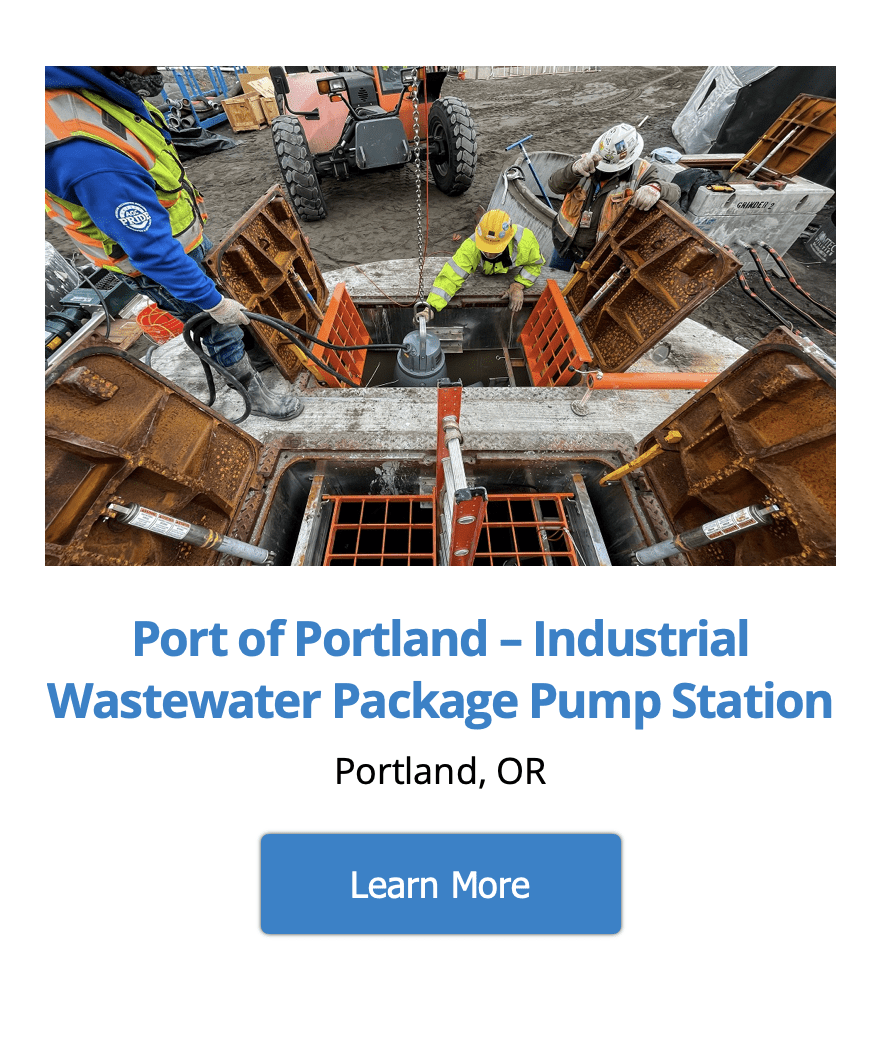
Pumping is more than moving water.
At its core, a pumping station exists to move water or wastewater in cases where gravity alone is not able to do the job. It is not sufficient to build a system that is merely functional. It must also be effective and reliable, as well as simple to use, and compatible with local and state requirements. It should function not only on paper, but also in the daily life of those who are responsible for its operation.
This can include everything from structural designs and wet-well sizes, to electrical systems, communications equipment as well as the accessibility for maintenance teams. If the design of one of these elements are not planned properly the system could create issues with operation for a long time. Engineers and owners alike appreciate working with the most experienced lift station engineers. If you’re trying to find a balance between the budget, constraints on site in addition to hydraulic performance and durability expertise is crucial.
Romtec Utilities integrates these areas all under one roof. Instead of requiring customers to deal with multiple vendors for different components of the station Romtec Utilities manages the mechanical, structural as well as electrical and communication components as a whole. The single-source model often saves time in the design process, eliminates confusion during the procurement process, and creates a smoother path to installation.
If properly designed When designed properly, package pumping systems are able to simplify things.
A packaged pumping system simplifies infrastructure projects as it combines key elements into one integrated solution. The real value lies in how the system has been engineered. Incompatible systems could lead to issues with performance, over-sized equipment and unnecessary maintenance costs, or even long-term issues.
Romtec Utilities views each package more as a solution than being merely a standard product. This includes selecting the correct pumps, controls, valves, piping, and enclosure options that are based on needs of the site. Consider the way in which the system will work to be maintained, monitored and monitored. In the case of utility infrastructures, thoughtful coordination from the beginning of the design phase often prevents much larger problems later on.
Booster pumps can solve a completely different kind of infrastructure issue
It’s not every project that is focused on water. In many cases, ensuring the pressure of water is equally important as moving sewer. In this situation the booster pump stations are crucial. These pumps keep water flowing efficiently through a distribution system even when there are pressure issues caused by changes in elevation, lengthy pipe runs, or high demand.
Booster systems require a unique method of engineering because they can incorporate SCADA integration and variable frequency drives (VFDs) along with telemetry as well as architectural considerations, based on the specific location. Romtec Utilities creates these stations with a specific mindset that is used to design wastewater systems. The end result will work both functionally as well as operationally.
Better planning can result in better long-term outcomes
The early support for design is one of the most valuable aspects of Romtec Utilities’ process. Preliminary design and engineering assistance enable project teams to know the likely size, configuration and price of a project before going too far into construction or procurement. Consultants, developers and public agencies can benefit greatly from this.
Whether the need is an wastewater lift station, a pumping system that is packaged or a number of custom booster pump stations, success usually comes down to the planning. A good design partner will provide more than just supply equipment. The right design partner helps develop a viable solution that works for the site and meets the needs of the owner.
When it comes to utility work, the most reliable systems are ones that aren’t noticed since they’re working. Such reliability rarely occurs by random chance. It’s the result of careful engineering, good coordination and an understanding of how to tailor each system to the needs of the project.